
Digital Product Development
We build complete digital products — not just websites, not just mobile interfaces.
If you have a product idea, a manual workflow worth digitising, or an existing service that should be a software product, we define the right scope and build the complete solution — using AI-powered development tools.
Backend logic, database, user authentication, integrations, and interface — delivered as a production-ready product your team can operate and iterate on.
Why most digital product builds go wrong
The feature list is not a product strategy. And a website is not a product.
Building too much
A long feature list assembled before a single real user has tested the product is not a plan — it is a backlog of assumptions waiting to be proved wrong. The result is an expensive first release that does not get adopted, followed by months of confusion about why.
Building too little
A website with a login is not a product. A mobile interface without a backend is not a product. Real digital products have working business logic, reliable data management, secure user access, and the integrations that make them useful — from day one.
AlphaEdge builds the complete thing. We also force the right scope conversation before a line of code is written.
What “complete digital product” means
A working, deployable product — not a prototype, not a proof of concept.
The user-facing experience
The backend and business logic
The database
User management and access
Integrations
Deployment and hosting
This is what we deliver. Using AI-powered development platforms, we build these components faster and more cost-efficiently than a traditional agency — without removing the product discipline that makes them work.
The digital products we design and build
Focused digital products built around a real user need — in the format the problem actually requires.
Web Platforms and Customer Portals
Best for: Founders and businesses where the core user task happens at a desk, in a scheduled workflow, or in an organised back-office process.
Subscription and Recurring Revenue Products
Best for: Founders turning a recurring problem or service into a scalable software product with predictable revenue.
Mobile Applications
Best for: Products where the core user task is physically mobile, time-pressured, or requires device capabilities a browser cannot deliver.
Operational and Internal Tools
Best for: Businesses with a manual or fragmented internal workflow that a focused digital tool could significantly improve.
Platform and Marketplace Products
Best for: Founders building a marketplace, community platform, or service-matching product.
Companion Apps and Extensions
Best for: Existing products whose users need mobile access to a defined subset of the product’s functionality.
If your product idea does not clearly fit one of these types, that is worth a conversation. We will help you determine the right format before any development begins.
Our delivery model
AI-powered development tools. Senior product discipline. Complete delivery.
What AI handles
- UI components
- Database structures
- API integrations
- Authentication scaffolding
- Repetitive construction work
What we handle
- Scope definition
- Product strategy
- User experience design
- Business logic
- Edge-case testing
- Security & data governance
- Production deployment
- Every product decision
The result: a complete, production-ready digital product — built with the speed of AI tooling and the rigour of a senior product and engineering team.
How we work
A structured path from product idea to a working digital product.
- 1Entry point
Product Opportunity Sprint
Before we design or build anything, we define the opportunity clearly: who the product is for, what problem it solves, why alternatives fall short, what the first release must do, what format it should take, and which assumptions must be tested first.
The most expensive mistakes happen before a line of code is written. This step exists to prevent them.
Output: A focused product direction — scope, format, timeline, and a costed build recommendation.
Start with a Sprint - 2
Product Definition and UX
We turn the agreed direction into a buildable plan: full requirements, user flows, wireframes and interactive prototypes for key screens, interface design, technical architecture, and database design.
Output: A complete product blueprint — reviewed and agreed before development begins.
- 3
Build
We build the agreed product using AI-powered development platforms, in short, transparent cycles with weekly visibility: the primary user workflow end-to-end, backend logic, database and user management, integrations, interface, and production deployment.
Output: A live, deployable digital product — on secure infrastructure, ready for real users.
- 4
Launch and Iteration
The first release is where real learning begins. We set up a feedback loop around onboarding, core workflow completion, retention, and friction points — and use that evidence for the first iteration decisions.
Output: A product roadmap grounded in real user behaviour, not assumptions.
Who we work with
Built for founders and businesses with a real product opportunity or workflow problem.
Product Founders
You have a product idea — a SaaS platform, a marketplace, a customer tool, or a workflow product — that you want to turn into a working business. You need a partner who will define the right scope, challenge your assumptions, and build a complete product, not a prototype.
Small and Growth-Focused Businesses
You have a manual, fragmented, or unscalable workflow that should be a digital product. You have validated the problem is real. You need a team that will build the complete solution — without over-engineering the first release.
Service Businesses Productising
You run a professional service and want to turn part of it into a scalable digital product. You need a partner who understands both the commercial opportunity and the product discipline required to make the transition work.
We are not the right fit if you need:
- A cheap prototype with no backend
- A website rebranded as a product
- A feature list built without user validation
- A promise that the product will succeed
Common questions
Straightforward answers to the questions worth asking.
Proof from our Lab
We build our own products the same way we build yours.
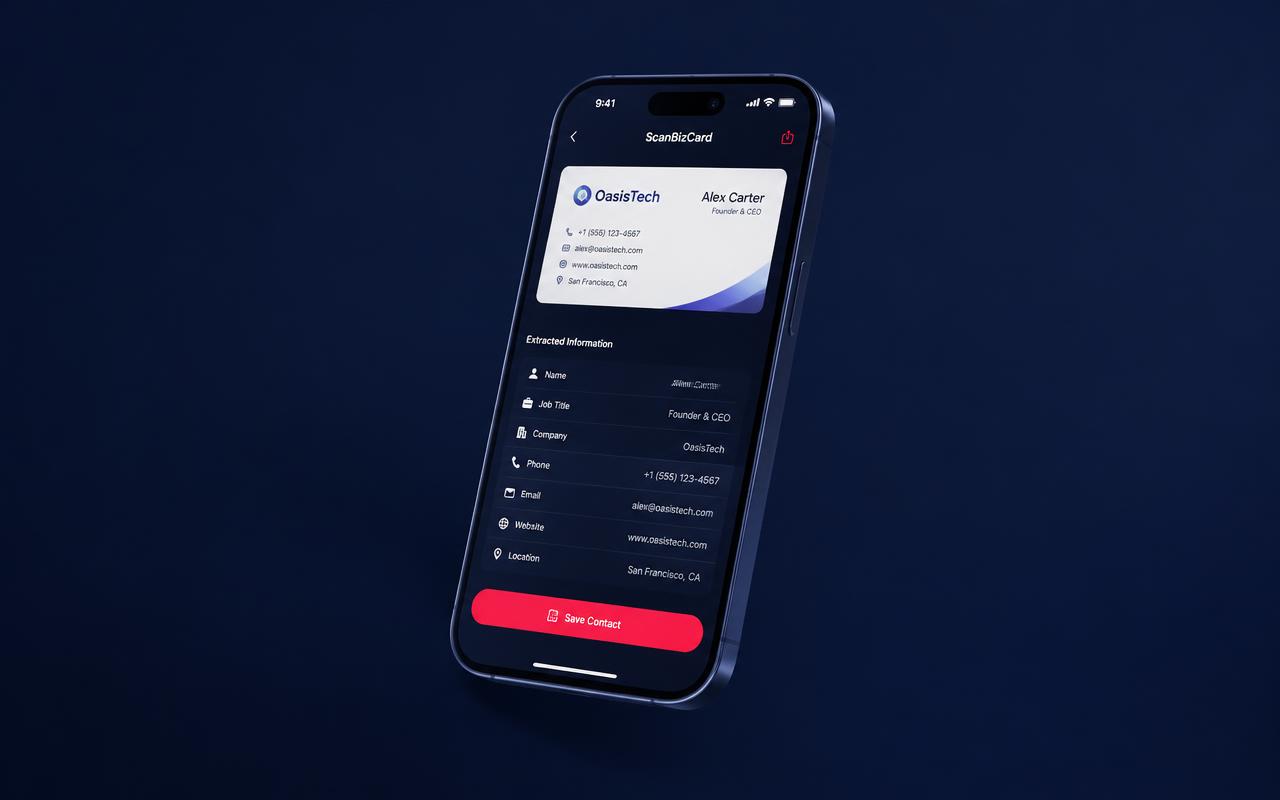
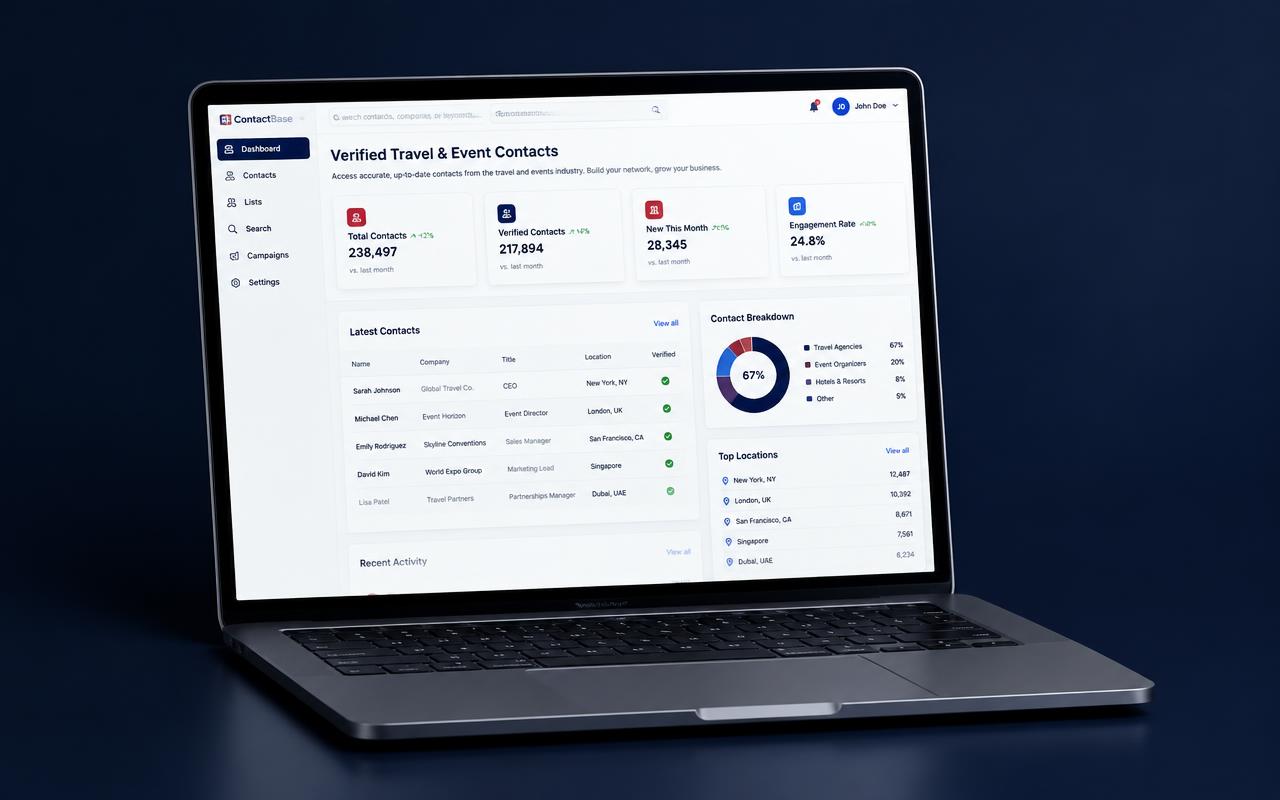
Explore the Studio
Start the conversation
Have a product idea or a workflow that should be a digital product?
Let us start with the problem. If there is a real product opportunity here, we will define it clearly. If a simpler approach is faster and more defensible, we will tell you that instead.